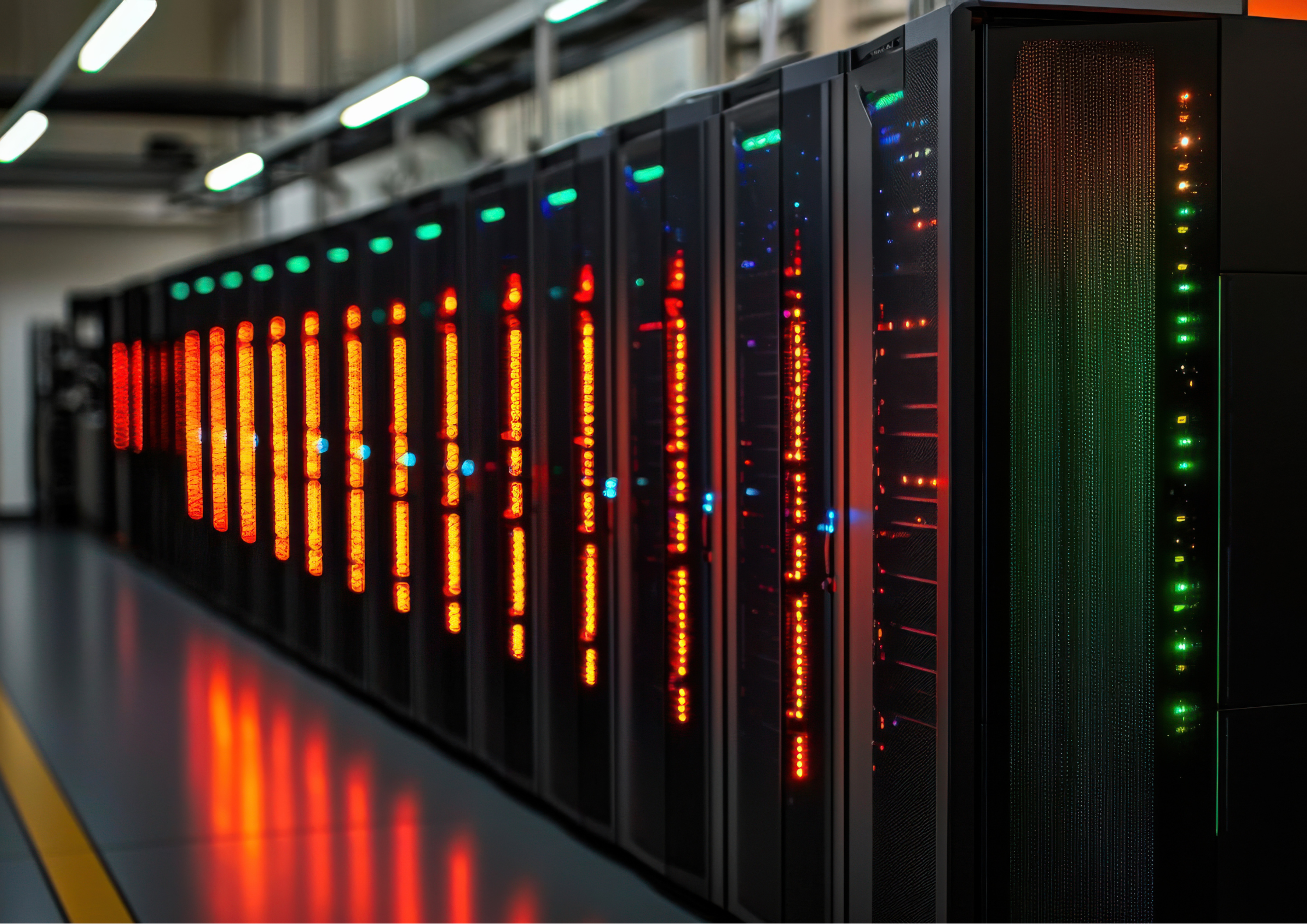
High-Density Cooling Solutions for Modern Compute Loads
As data centers evolve toward AI, HPC, and GPU-intensive workloads, traditional air cooling can no longer remove the rising heat density.
Liquid cooling delivers efficient, reliable thermal management, and HFM provides the engineered heat-exchange solutions that make it possible. Our plate heat exchangers integrate into CDUs, cold plates, and immersion systems to support next-generation data center cooling.
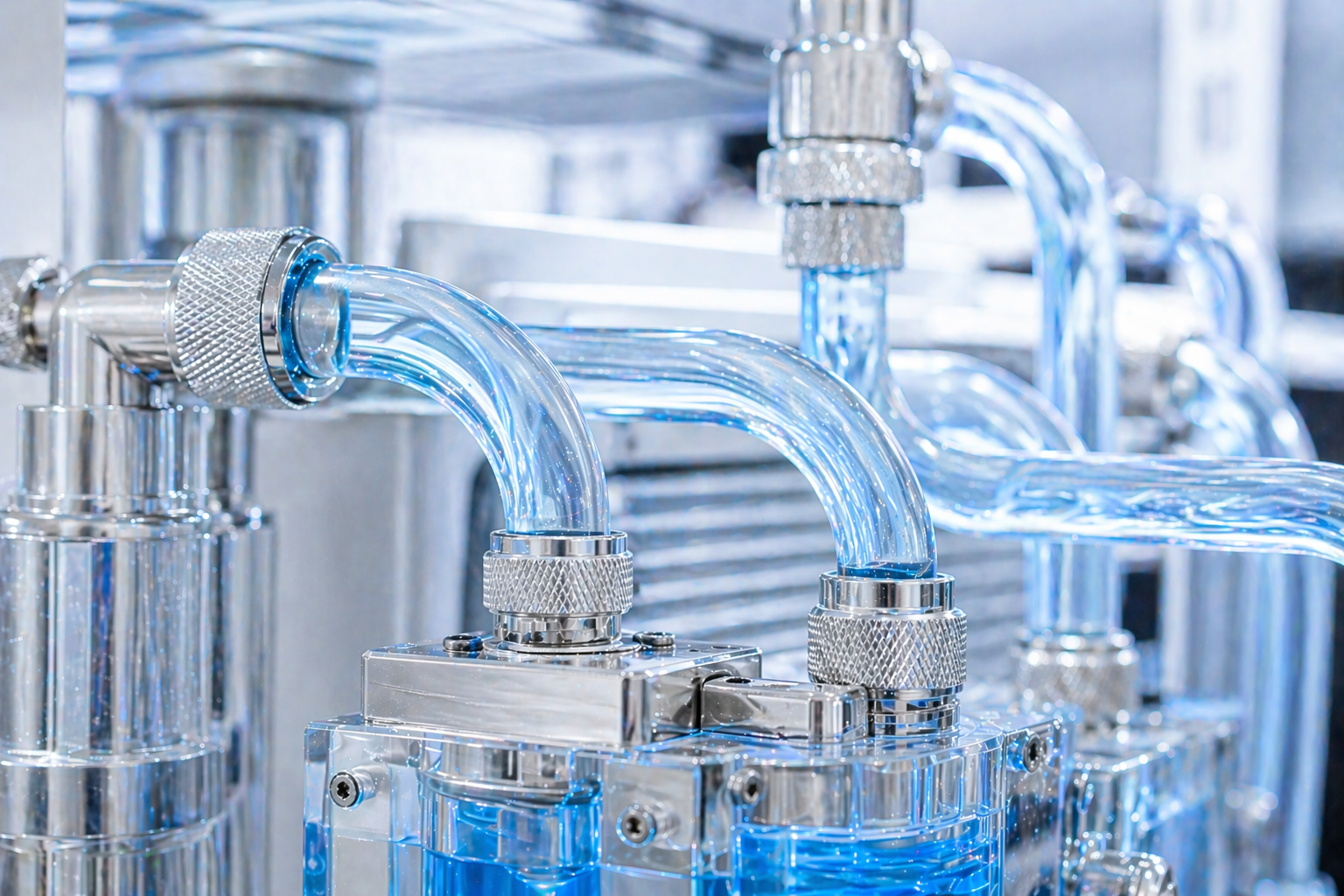
Benefits of Liquid Cooling
1. High Heat Density Management
Liquid cooling can handle higher power density from servers and GPUs compared to air cooling, making it suitable for AI and high-performance racks.
2. Improved Energy Efficiency
It reduces the load on fans and mechanical chillers, lowering PUE and saving operational energy costs.
3. Precise Temperature Control
Plate heat exchangers enable stable temperature and minimal temperature difference, ensuring reliable operation of IT equipment.
4. Loop Isolation
Exchanges heat between server-side and facility-side loops while keeping fluids separate to protect server-side water from contamination.
HFM PHE used in Data Center Cooling Stages
| Cooling Stage | Type of Plate Heat Exchanger | Main Role & Features |
| Server / IT Loop | Brazed Plate Heat Exchanger (BPHE) | Absorbs heat directly from CPUs/GPUs, transfers it to the CDU, isolates server and facility loops; high heat density, low ΔT, suitable for DI water |
| CDU Integration | BPHE | Manages heat transfer between server and facility loops, ensures isolation, supports high pressure, ideal for high-density liquid cooling |
| Facility / Secondary Loop | Gasketed Plate Heat Exchanger (GPHE) | Handles large secondary water loops and free cooling stages, easy to maintain, suitable for lower purity fluids |
| Heat Rejection / Free Cooling | GPHE/BPHE | Connects to external cooling sources (dry cooler, cooling tower, water-side economizer), efficient heat transfer with small ΔT, modular integration |
| Rear Door / Local Cooling Modules | Small BPHE or Semi-Welded | Localized cooling for high-density racks, can be embedded in rear doors or in-row modules, high reliability and corrosion resistance |
| Heat Recovery (Optional) | BPHE or Semi-Welded | Transfers waste heat to building heating or other processes, maintains loop isolation, suitable for high thermal loads |
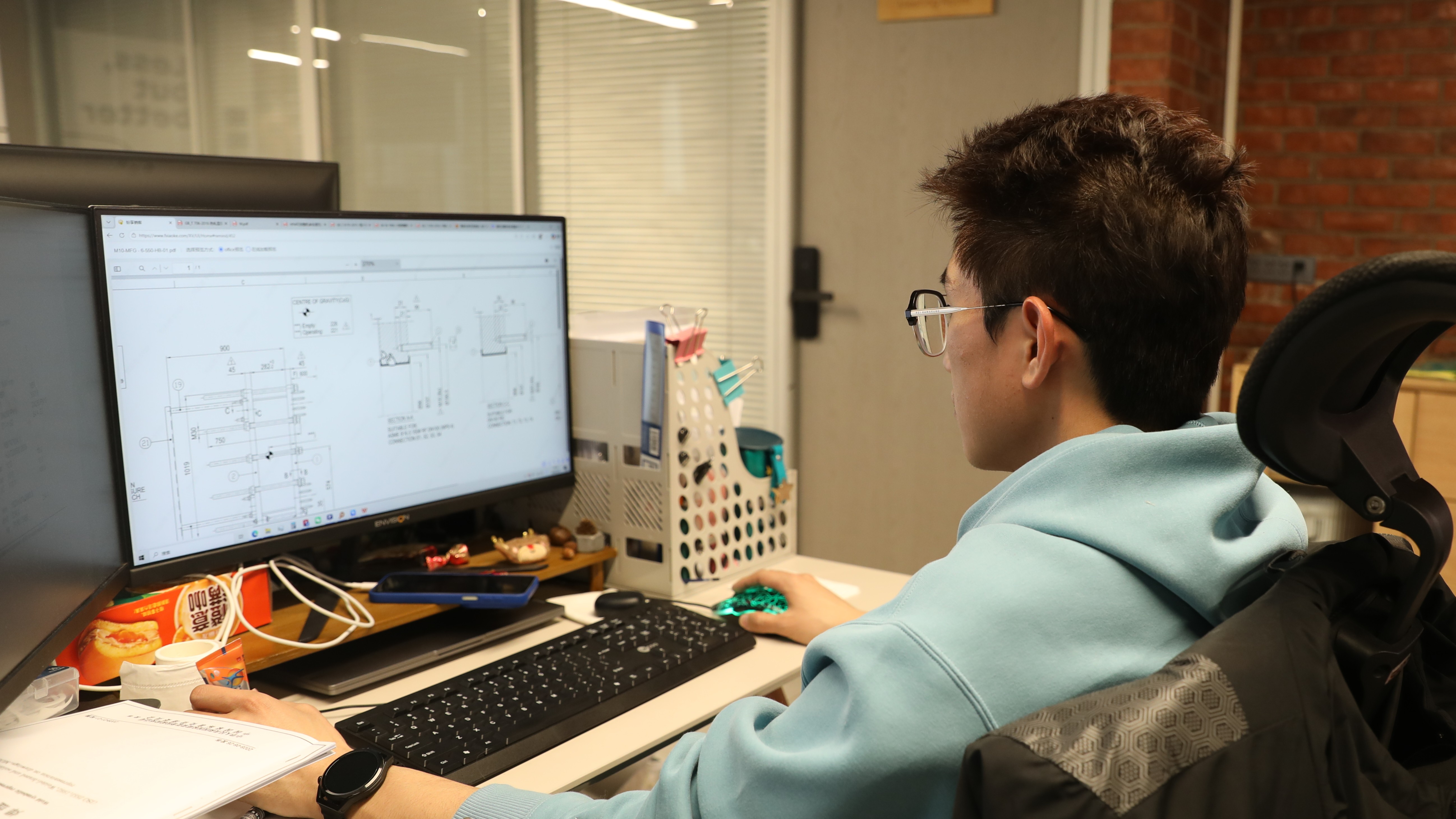
Technical Support
Provide guidance on heat exchanger placement in server, CDU, or facility loops with matching pipe size, flow, and pressure
Recommend copper brazed, nickel brazed, or stainless semi-welded designs; provide solutions for DI water, glycol, or corrosive fluids
Help calculate system design pressure, maximum operating temperature, and min/max ΔT; provide heat load matching and safety margin analysis
Provide guidance for modular installation, cleaning, inspection, and replacement of plates or entire units
Provide design verification reports including pressure tests, corrosion resistance tests, flow performance curves; supply third-party certification or testing data if needed
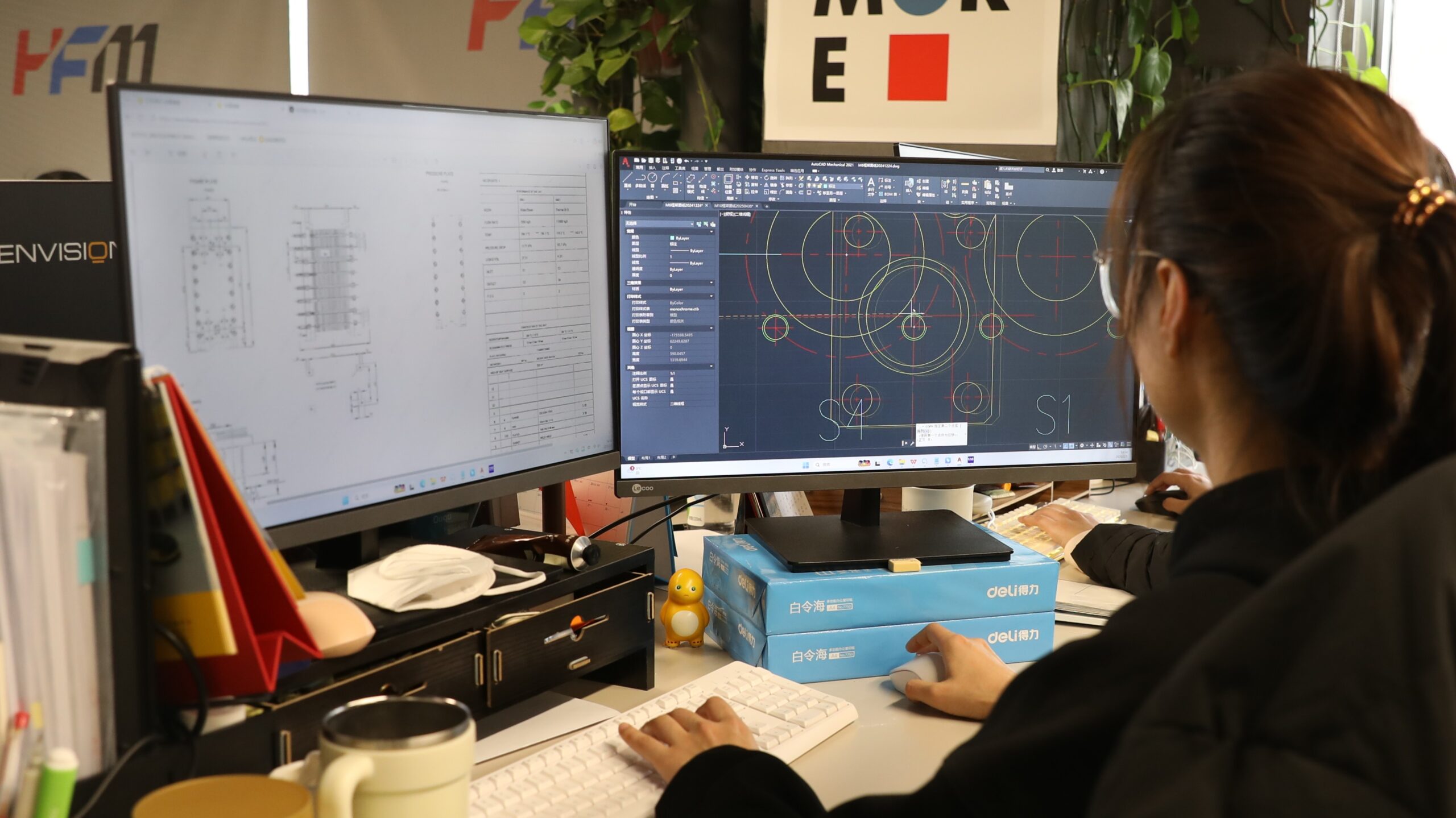
Key Technical Features
Maximum operating pressure (typically 30–45 bar), flow range, and pressure drop (Δp ≤100 kPa common)
Minimum approach temperature (ΔT) capability, heat transfer per unit area (kW/m²)
Copper/nickel brazed or stainless semi-welded, suitable for DI water, corrosive media, or high-purity fluids
Compact for CDU or server rack installation, modular design for insertion, removal, or multi-stage combination
High sealing performance, long-term pressure and temperature tolerance, compliance with ASME, CE, AHRI, 3A/FDA certifications